top of page


INGREDIENT INTEL
 Chia SeedsChia Seeds: Chia is grown commercially for its seed, a food that is rich in omega-3 fatty acids, since the seeds yield 25–30% extractable oil, including α-linolenic acid (ALA). Chia seeds are typically small ovals with a diameter of about 1 mm (0.039 in). They are mottle-colored with brown, gray, black and white. The seeds are hydrophilic, absorbing up to 12 times their weight in liquid when soak. |  QuarkQuark is a fresh dairy product, commonly consumed in cuisines from German-speaking countries and other populations. It can be classified as fresh acid-set cheese. It is not to be confused with cheese curds. | 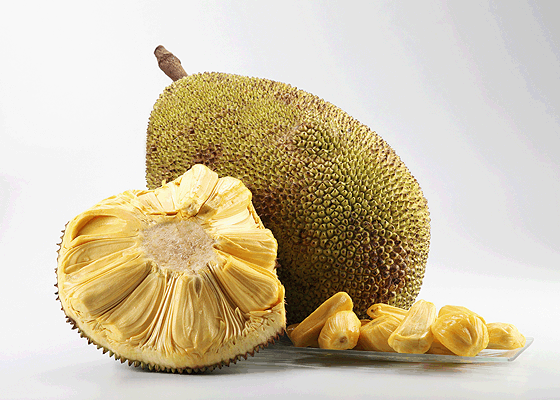 JackfruitThe jackfruit, also known as jack tree, jakfruit, or sometimes simply jack or jak is a species of tree in the Artocarpus genus of the mulberry family (Moraceae).Ripe jackfruit is naturally sweet with subtle flavoring. The edible jackfruit is made of easily digestible flesh (bulbs); a 100-g portion of edible raw jackfruit provides about 95 calories and is a good source of the antioxidant vitamin C, rich in protein, vitamin B6, potassium, calcium, and iron. |
|---|---|---|
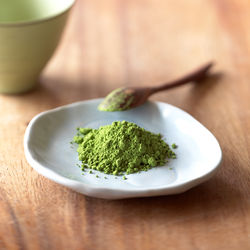 Matcha PowderMatcha is finely ground powder of specially grown and processed green tea. Matcha is basically a form of whole green tea leaves with extra theanine and chlorophyll. The antioxidant catechins, especially EGCG in green tea leaves, is one of the main reasons that many health-conscious people consume green tea leaves or matcha specifically. |  Linseed & Linseed Oil (Flaxseed Oil)Linseed oil, also known as flaxseed oil, is a colourless to yellowish oil obtained from the dried, ripened seeds of the flax plant (Linum usitatissimum). Linseed oil is an edible oil in demand as a nutritional supplement, as a source of α-Linolenic acid, (an omega-3 fatty acid). In parts of Europe, it is traditionally eaten with potatoes and quark. It is regarded as a delicacy due to its hearty taste, which enhances the flavour of quark, which is otherwise bland. |  TahiniTahini is a paste made from ground, hulled sesame seeds used in North African, Greek, Iranian, Turkish, and Middle Eastern cuisine. Tahini is served as a dip on its own or as a major component of hummus, baba ghanoush, and halva. |
 Horned MelonCucumis metuliferus, horned melon or kiwano, also African horned cucumber or melon, jelly melon, hedged gourd, melano, in the southeastern United States, blowfish fruit, is an annual vine in the cucumber and melon family, Cucurbitaceae. Its fruit has horn-like spines, hence the name "horned melon". Ripe fruit has yellow-orange skin and lime green, jelly-like flesh with a tart taste, and texture similar to a cucumber. |  Cacao NibsCacao nibs are cacao beans that have been roasted, separated from their husks, and broken into smaller pieces. Cacao nibs have a chocolatey taste, but they're not quite as sweet as chocolate, which can make them more versatile. Their flavor can also vary depending on how much they are roasted, with hints of fruity or nutty flavors. |  FennelFennel is a highly aromatic and flavorful herb with culinary and medicinal uses and, along with the similar-tasting anise, is one of the primary ingredients of absinthe. Florence fennel or finocchio is a selection with a swollen, bulb-like stem base that is used as a vegetable. Fennel seeds are the primary flavor component in Italian sausage. |
 Bee PollenBee pollen is the pollen ball that has been packed by worker honeybees into pellets. Bee pollen has been touted by herbalists as a treatment for a variety of medical conditions, but there is no scientific evidence to show any health benefits. You may also hear recommendations for using bee pollen for alcoholism, asthma, allergies, health maintenance, or stomach problems, but there is no proof that it helps with these conditions. |  Acai BerryThe fruit of the açaí tree, commonly known as açaí berry, is a small, round, black-purple drupe, similar in appearance to a grape, but smaller and with less pulp. The exocarp of the ripe fruits is a deep purple color, or green, depending on the kind of açaí and its maturity. In the general consumer market, açaí is sold as frozen pulp, juice, or an ingredient in various products from beverages, including grain alcohol, smoothies, foods, cosmetics and supplements. |  QuinoaQuinoa is a pseudocereal rather than a true cereal, as it is not a member of the true grass family. As a chenopod, quinoa is closely related to species such as beetroots, spinach and tumbleweeds. Quinoa grain has been called a superfood, a term which is not in common use by dietitians and nutrition scientists. Protein content is very high for a cereal/pseudo-cereal (14% by mass), but not as high as most beans and legumes. |
 RambutanThe rambutan is a medium-sized tropical tree in the family Sapindaceae. The name also refers to the fruit produced by this tree. The rambutan is native to Philippines, Malaysia and other regions of tropical Southeast Asia. It is closely related to several other edible tropical fruits including the lychee, longan, and mamoncillo. |  Pepitas (Pumpkin Seeds)Pepita (from Mexican Spanish: pepita de calabaza, "little seed of squash") is a Spanish culinary term for the pumpkin seed, the edible seed of a pumpkin or other cultivar of squash (genus Cucurbita). In a 100 gram serving, the seeds are calorie-dense (574 kcal) and an excellent source (20% of the Daily Value, DV, and higher) of protein, dietary fiber, niacin, iron, zinc, manganese, magnesium and phosphorus (table). |
bottom of page